


Stem Wave Therapy for Morning Heel Pain in Stoughton, MA
Stem Wave Therapy is a noninvasive treatment that uses acoustic waves to target painful areas and support the body’s natural healing response. This therapy may help individuals experiencing morning heel pain associated with conditions such as plantar fasciitis. At Centered Primary Care, board-certified Dr. Roberto Amado, MD, MHA, and our team provide personalized Stem Wave Therapy based on each patient’s symptoms, foot health, and mobility concerns. We focus on identifying the underlying causes of heel discomfort and developing individualized treatment plans to help reduce pain, improve walking comfort, and support daily activities. For more information, contact us today or schedule an appointment online. We are conveniently located at 966 Park Street, Suite B6, Stoughton, MA 02072.
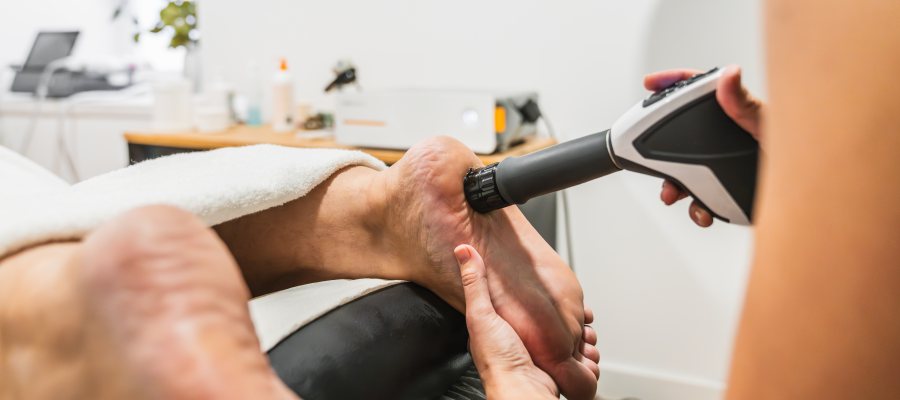

Table of Contents:
What causes morning heel pain, and why does it hurt when taking the first steps?
How does Stem Wave Therapy work to address heel pain?
Can Stem Wave Therapy reduce ongoing morning heel pain and stiffness?
How many Stem Wave Therapy treatments are usually recommended for heel pain?
Is Stem Wave Therapy painful when used for heel discomfort?
Can Stem Wave Therapy help with heel pain associated with plantar fasciitis?
Is there any downtime after Stem Wave Therapy for heel pain?
Who is a good candidate for Stem Wave Therapy for heel pain?
Can morning heel pain return after completing Stem Wave Therapy?
How Do I Get Started With Stem Wave Therapy for Heel Pain at Centered Primary Care in Stoughton, MA, With Board-Certified Dr. Roberto Amado, MD, MHA, and the Team?
Experiencing intense heel discomfort when getting out of bed or walking after prolonged inactivity is a common concern. This type of pain frequently occurs when the connective tissues surrounding the heel become overstressed or irritated. The discomfort may gradually ease with movement but can return after extended periods of sitting or resting.
Several factors can contribute to morning heel pain, including:
• Plantar Fasciitis: This condition occurs when the strong connective tissue running beneath the foot, from the heel toward the toes, experiences excessive tension or irritation, resulting in heel tenderness.
• Repeated Physical Stress: Spending long hours on your feet, participating in high-impact exercises, or suddenly increasing physical activity can overload the structures supporting the heel.
• Unsupportive Shoes: Footwear without sufficient cushioning or arch stability can place unnecessary pressure on the heel during standing and walking.
• Foot Alignment Differences: High arches and flat feet may affect how body weight is distributed across the foot, increasing stress on the plantar fascia.
• Achilles Tendon Irritation: Inflammation or degeneration involving the Achilles tendon can lead to stiffness and discomfort behind the heel, particularly following inactivity.
• Heel Bone Spurs: Small bony projections may develop beneath the heel and sometimes coexist with plantar fasciitis, although they are not always responsible for painful symptoms.
• Compressed Nerves: Pressure on nerves near the ankle or heel can produce discomfort accompanied by burning, numbness, or tingling sensations.
When the feet remain inactive overnight, the plantar fascia can become less flexible. As body weight is placed on the feet upon standing, the tissue stretches abruptly, potentially producing sharp pain when it is already irritated.
At Centered Primary Care, we recognize how recurring heel discomfort can affect mobility and everyday routines. Our approach emphasizes understanding the factors contributing to each patient’s symptoms and offering appropriate recommendations to promote better foot function and daily comfort.
Stem Wave Therapy uses focused acoustic energy to stimulate biological activity in tissues affected by ongoing discomfort. This nonsurgical treatment may be considered for individuals experiencing heel pain related to plantar fasciitis and certain other musculoskeletal conditions. During the procedure, a specialized handheld applicator delivers controlled sound pulses to the painful region, encouraging responses associated with circulation, tissue recovery, and pain regulation.
The acoustic energy used in Stem Wave Therapy may influence local healing mechanisms and help improve symptoms in affected tissues. Treatment appointments are usually relatively short, and anesthesia is generally unnecessary. Patients can often return to their normal routines soon afterward, although temporary tenderness may occur. Improvements in pain and movement may develop gradually over several appointments, with results differing according to individual health factors and the nature of the heel condition.
At Centered Primary Care, our team considers each patient’s discomfort, activity limitations, and previous treatment experiences before recommending acoustic wave treatment. We aim to provide clear information about the procedure, discuss realistic expectations, and develop care recommendations suited to individual circumstances. Our priority is helping patients explore appropriate options for managing persistent heel symptoms while supporting their ability to remain active.
Persistent heel soreness and stiffness, especially during the first steps of the day, may improve with Stem Wave Therapy in appropriately selected patients. This treatment applies acoustic pulses to painful tissues, potentially stimulating biological processes involved in recovery and pain relief. For individuals dealing with plantar fascia irritation, these effects may contribute to greater comfort during walking and reduced difficulty moving after periods of rest.
When stretching, supportive footwear, activity changes, or other conservative measures have not sufficiently relieved symptoms, Stem Wave Therapy may be considered as an additional treatment approach. Some individuals experience less discomfort and improved walking ability following multiple sessions. However, improvement is not guaranteed, and responses depend on the condition being treated. Treatment is typically associated with a short recovery period, although mild swelling, sensitivity, or temporary soreness may develop around the treated heel.
At Centered Primary Care, we understand that persistent heel stiffness can make simple activities, such as getting out of bed or walking around the house, uncomfortable. Before considering Stem Wave Therapy, our team reviews the patient’s symptoms and relevant health information to identify possible sources of pain. We emphasize appropriate treatment selection, helpful self-care guidance, and individualized recommendations designed to address discomfort and support everyday movement.
The number of Stem Wave Therapy appointments recommended for heel discomfort varies according to the patient’s symptoms, the duration of the condition, and their progress during treatment. A treatment course may involve approximately three to six visits, sometimes arranged at weekly intervals. While certain patients may begin noticing symptom relief early in the process, others may require a different schedule or further assessment when discomfort persists.
Because Stem Wave Therapy is intended to stimulate tissue responses that can develop over time, improvement may not be immediate. Repeated sessions may help some patients experience gradual reductions in pain and greater ease with daily movements. Complementary measures, including appropriate stretching exercises, footwear modifications, and adjustments to activities that aggravate symptoms, may also support recovery. The ideal number of treatments and the likelihood of improvement depend on individual circumstances.
At Centered Primary Care, our team considers the pattern of heel pain, the patient’s functional limitations, and their response to previous therapies when discussing a suitable treatment schedule. We review progress as treatment continues and guide whether further sessions or alternative approaches may be appropriate. By adapting recommendations to each individual’s needs, we work to support more comfortable walking, better foot function, and sustainable management of recurring heel discomfort.
Is Stem Wave Therapy painful when used for heel discomfort?
Stem Wave Therapy may cause mild to moderate discomfort as acoustic waves are delivered to the affected heel. Treatment intensity can often be adjusted based on individual comfort levels, and temporary soreness may occur afterward.
Stem Wave Therapy may help reduce heel discomfort associated with plantar fasciitis by delivering acoustic waves to the affected tissues. Some patients experience improvement in pain and mobility, although treatment results vary.
Stem Wave Therapy generally requires little to no downtime, allowing many patients to resume routine daily activities. Temporary tenderness, redness, or swelling may occur, and strenuous activities may need to be limited based on individual recommendations.
Individuals experiencing persistent heel discomfort, particularly from plantar fasciitis that has not improved with conservative care, may be suitable candidates. A medical evaluation helps determine whether this treatment is appropriate for their symptoms and health history.
Yes, morning heel pain may return after treatment, particularly if contributing factors such as repetitive strain, prolonged standing, or inadequate foot support remain unaddressed. Maintaining appropriate footwear, stretching routines, and recommended follow-up care may help manage recurring discomfort.
Getting started with Stem Wave Therapy for heel pain begins with a personalized consultation with board-certified Dr. Roberto Amado, MD, MHA, at Centered Primary Care in Stoughton, MA. Dr. Amado takes time to understand each patient’s symptoms, medical history, and the impact of heel discomfort on everyday activities. He evaluates possible causes of pain, including plantar fasciitis, and assesses whether Stem Wave Therapy may be a suitable treatment option based on the patient’s individual needs.
Following the initial evaluation, Dr. Roberto Amado and our team discuss appropriate treatment options, explain how Stem Wave Therapy works, and address questions about the procedure and expected outcomes. Our approach emphasizes individualized treatment planning, patient comfort, and practical guidance for managing heel discomfort. For more information, contact us today or schedule an appointment online. We are conveniently located at 966 Park Street, Suite B6, Stoughton, MA 02072. We serve patients from Stoughton MA, Avon MA, Canton MA, Walpole MA, Easton MA, Abington MA, and surrounding areas.

Check Out Our 5 Star Reviews



Additional Services You May Need
▸ Primary Care
▸ Weight Management
▸ Chronic Pain Management
▸ Stemwave
▸ Sick Visits
▸ Telehealth
▸ Immigration Physical Exams
▸ Health Education and Counseling
▸ Ultrasound Guided Joint Injection
▸ Mental Health Care
▸ Weight Loss Injections
▸ Chronic Disease Management
▸ Preventative Care
▸ Cryotherapy
▸ Skin Tag Removal
▸ Pediatric Vaccine
▸ Zepbound
▸ Phentermine
▸ Mounjaro
▸ Wegovy
▸ DOT Physical Exams
▸ Flu Shots


 Send Text
 How May I Help You?